Help Give the Gift of Literacy
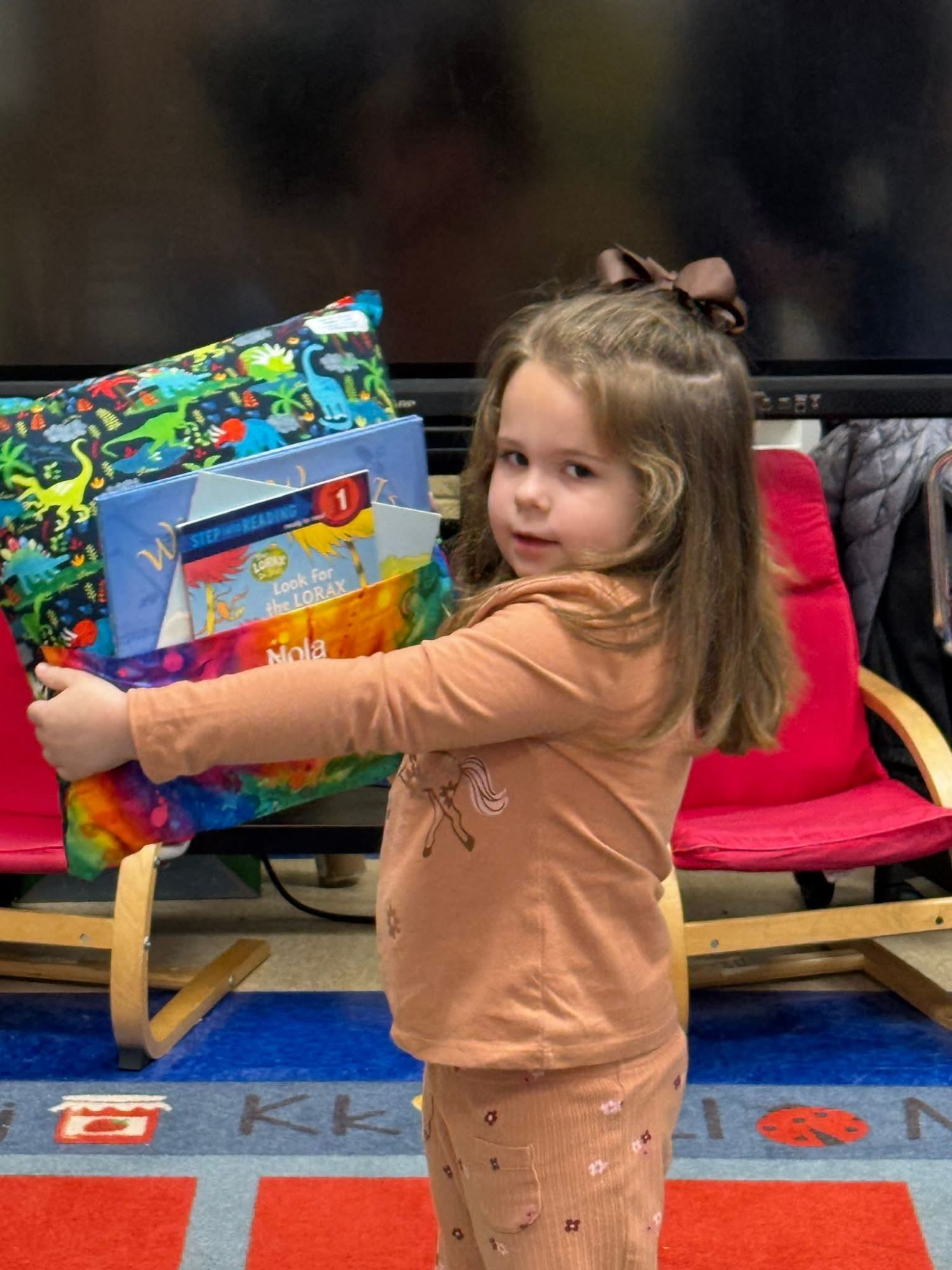
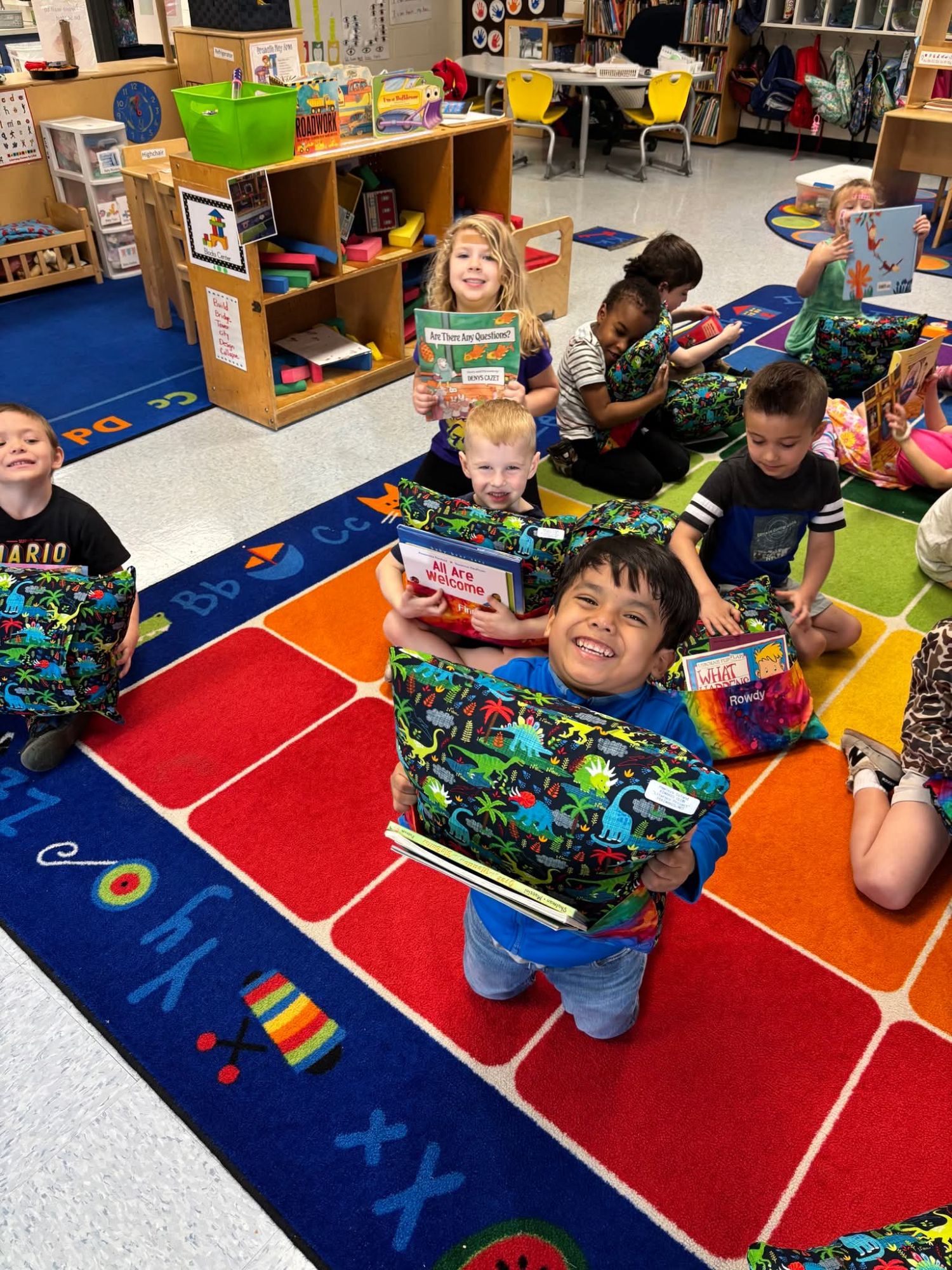
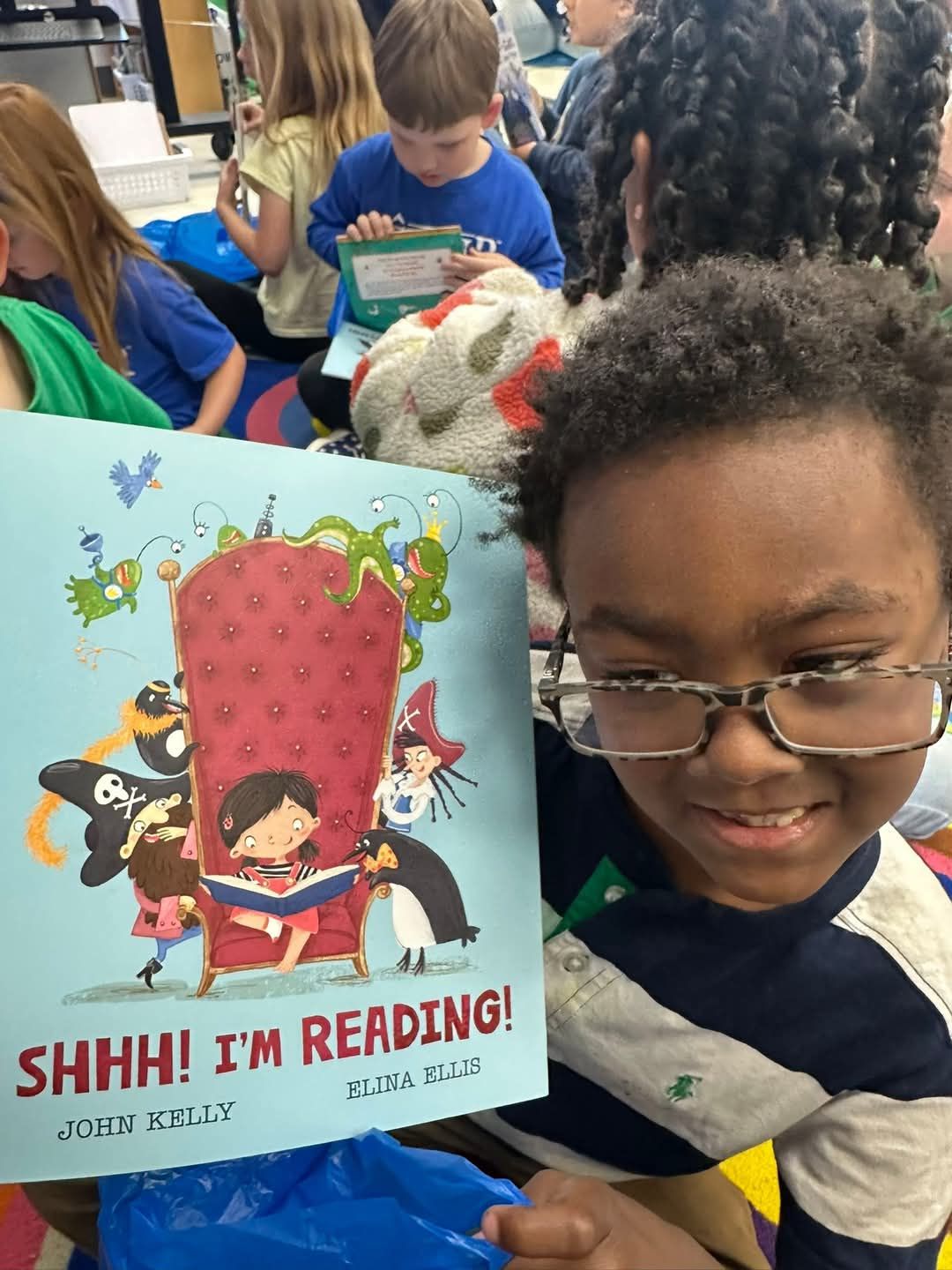
Palmetto Giving Day started in 2017, and has evolved from its inception to become a significant event in the South Carolina community. It started as a response to the success of Lowcountry Giving Day and has since grown to include a wide range of non-profits and community initiatives. The even has been instrumental in raising funds for various causes and has become a symbol of community spirit and collaboration. Palmetto Giving Day is one of the Pawleys Island Kiwanis larger annual fundraisers.
Our Focus for fundraising in 2026 is our literacy and reading pillows program.
The Pawleys Island Kiwanis literacy project started in 2016 and since then we have been able to provide over 50,000 books to children from pre-k to 3rd grade. Each student is provided 3 books, which amounts to approximately 7200 books distributed annually. We started with one elementary school and have since grown into provided books to all elementary schools in Georgetown county.
The Pawleys Island Kiwanis Reading Pillows and Books project is a vital local initiative designed to spark a lifelong love of literacy in young children. By providing handmade pillows featuring a dedicated book pocket, the program creates a portable, personal “reading nook” for every recipient. These pillows serve as more than just cushions; they are a physical invitation to explore new worlds, making reading a comforting and accessible part of a child’s daily life. For many local students, the books tucked inside their new pillow represents the very first book they have ever owned. This initiative reaches beyond the classroom to bridge the literacy gap at home, ensuring that early readers have the tools they need to build confidence and imagination. By putting high-quality literature directly into the hands of children, the Kiwanis Club is fostering foundational skills that will benefit the community for generations to come.
Children Don’t have to Become Statistics
Before third grade, children are taught the mechanics of reading. From fourth grade onward, they must use reading to understand complex, content-driven subjects. If they cannot read proficiently, they fall behind in every subject.
- 70% of U.S. prison inmates are functionally illiterate learn more about our organization visit
- 88% of struggling readers in third grade fail to catch up later
- students reading below grade level in 3rd grade are four times less likely to graduate by age 19
- struggling readers often face lower self-esteem, reduced confidence and higher rates of disengagement
- Poor reading skills translate to limited job opportunities, lower earning potential, reduced economic mobility
- low literacy is strongly associated with adulthood poverty
 PAWLEYS ISLAND KIWANIS